Puri, July 29 (UDN): Devotees planning to visit the Shree Jagannath Temple in Puri on Wednesday will have to reschedule their darshan, as the shrine will remain closed to the public for around five hours in the evening for the performance of the sacred Banakalagi Niti.
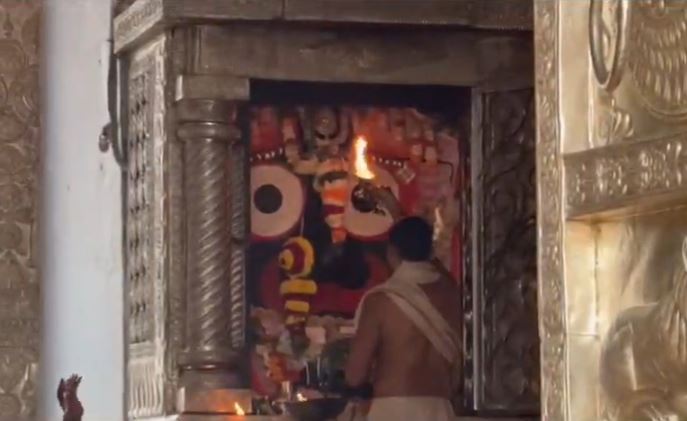
According to the Shree Jagannath Temple Administration (SJTA), public darshan will remain suspended from around 7 pm to 11 pm while the ceremonial adornment of the deities is carried out inside the sanctum sanctorum.
The ritual will be performed on the occasion of Ashadha Shukla Purnima (Vyasa Purnima) after the completion of the second Bhogamandap Bhoga. During this period, entry into the sanctum will remain prohibited, and all temple doors will be closed until the ritual concludes.
Banakalagi Niti is one of the most revered and confidential rituals observed in the Jagannath Temple. Performed periodically on Wednesdays or Thursdays, the ceremony involves the renewal of the Srimukha Shringar (facial adornment) of Lord Jagannath, Lord Balabhadra and Devi Subhadra.
The ritual is performed exclusively by the Datta Mahapatra servitors, who ascend the Ratna Singhasana to apply specially prepared natural colours and fragrant herbal ingredients to the faces of the sibling deities.
Unlike commercially available pigments, the colours used in the ritual are prepared traditionally inside the Banakalagi Ghara, a dedicated room within the temple premises. White colour is obtained from powdered conch shells, yellow from Haritala, and black from Hingula. The mixture is enriched with aromatic substances such as camphor, musk and saffron, giving the deities a radiant appearance while preserving the traditional practices of the temple.
Temple authorities have advised devotees to plan their visit accordingly, as darshan will resume only after the completion of the Banakalagi Niti and reopening of the temple gates later in the night.
The centuries-old ritual remains one of the unique traditions of the 12th-century shrine, reflecting the rich heritage and meticulous customs associated with the worship of the Holy Trinity at Srimandira.