hubaneswar, May 26: The Odisha Forest Department has introduced a strict set of guidelines for caravan tourism in the state’s eco-tourism and forest areas, aiming to balance growing tourist interest with the need to protect fragile ecosystems and wildlife habitats.
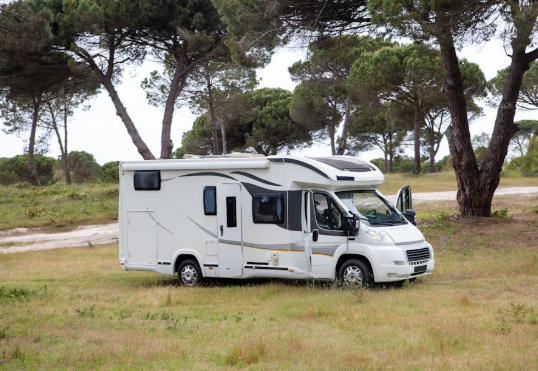
The initiative comes after the rollout of caravan tourism services earlier this year and is being implemented through the Ecotour Odisha portal, allowing only pre-registered, government-approved operators to access designated forest tourism sites.
Officials said the move is designed to ensure that tourism development does not disturb ecological balance in sensitive regions while still promoting nature-based travel experiences.
Designated sites and controlled access
Dedicated caravan parks are being developed at key eco-tourism destinations including Debrigarh Wildlife Sanctuary, Similipal Tiger Reserve, Satkosia Tiger Reserve, Mahendragiri, Chandaka-Dampara Wildlife Sanctuary, Deomali Hills, and Bhitarkanika National Park.
Each site will operate under strict carrying capacity limits, allowing only about four to five caravans at a time depending on environmental sensitivity and wildlife movement patterns. Bookings and entry permissions will be managed exclusively through the Ecotour Odisha digital platform.
Strict environmental safeguards
The Standard Operating Procedure (SOP) lays down clear rules for caravan movement, parking, and visitor behaviour. Permanent construction is prohibited, and only minimal eco-friendly infrastructure such as solar lighting, charging points, drinking water facilities, and waste segregation systems will be permitted.
To reduce environmental impact, caravan parks will not function as conventional resorts. Activities such as loud music, fireworks, and generator use have been strictly banned. Lighting inside parks must be low-intensity and directed downward to avoid disturbing wildlife.
Tourists will also be required to segregate waste properly and ensure no discharge of grey water or sewage into forest areas or nearby water bodies.
Regulated operations and safety norms
Caravan movement will follow designated routes, fixed time windows, and speed restrictions, particularly in wildlife-sensitive zones. Feeding of animals is strictly prohibited, and visitors will be briefed on safety protocols and wildlife behaviour before entry.
In case of wildlife approaching caravan zones, tourists must remain inside vehicles and follow instructions issued by forest officials.
Revenue sharing and local benefits
The SOP also outlines a structured revenue-sharing model. Around 80% of earnings will be used for infrastructure maintenance through divisional forest offices, 10% will go to local communities and eco-development committees, and the remaining 10% will be allocated to an ecotourism development fund.
Officials said the parking fee for caravans has been set at approximately Rs 1,000 per night, while additional services such as electricity, food, waste management, and sanitation will be charged separately based on usage.
The Forest Department said the initiative is intended to promote responsible tourism while ensuring long-term conservation of Odisha’s rich biodiversity.