Sep 19: Odisha is making a fresh push to establish itself as a technology and advanced manufacturing destination with plans for an 870-acre Odisha Silicon Valley at Naraj near Cuttack. The proposed hub comes alongside investment proposals of around Rs 23,600 crore, with the potential to create about 6,100 jobs, signalling growing interest in the state’s semiconductor and electronics ecosystem.
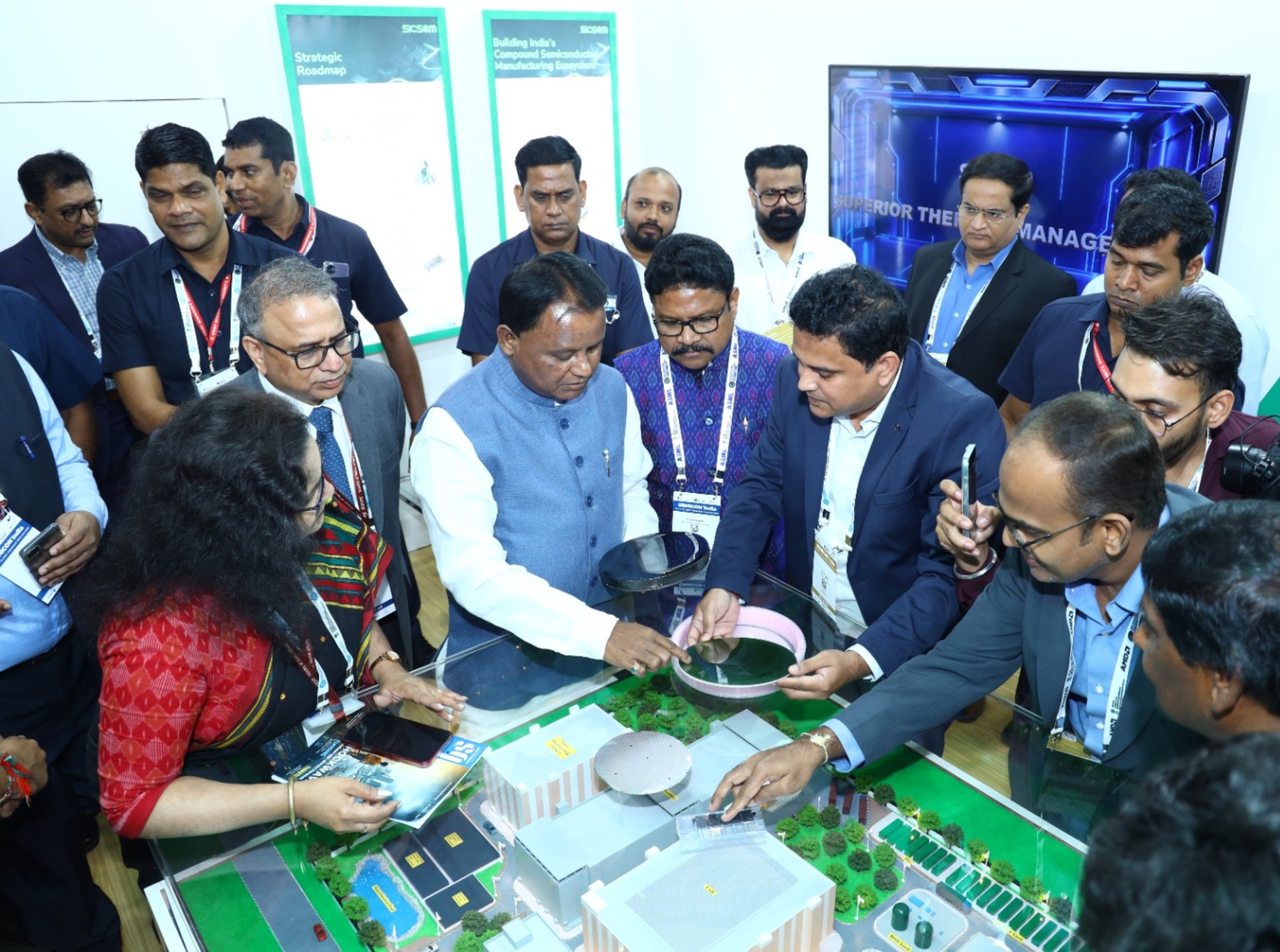
Announced by Chief Minister Mohan Charan Majhi during SEMICON India 2026, the proposed development is designed to bring semiconductor, electronics and IT projects into a larger industrial and technology cluster. The focus is significant because the semiconductor industry depends on an entire network of businesses — from chip design and materials to packaging, equipment, logistics, research and specialised engineering services.
For Odisha, the objective is therefore not simply to attract individual semiconductor factories but to build an ecosystem in which companies can operate alongside suppliers, technology firms, research institutions and skilled professionals.
Naraj aims to become a technology and manufacturing cluster
Naraj’s location could be one of the important factors supporting the proposed Silicon Valley. The site is connected to the Cuttack-Bhubaneswar urban corridor and has access to national highways and major ports, including Paradip and Dhamra. Such connectivity can help companies move specialised equipment, raw materials and finished products through different stages of the supply chain.
The availability of industrial infrastructure will be equally important. Semiconductor manufacturing and advanced packaging facilities require dependable supplies of electricity, water and other utilities. The state has identified Naraj’s proximity to the Mahanadi as an advantage for meeting industrial water requirements.
If the supporting infrastructure develops alongside the proposed investments, Naraj could evolve from an industrial location into a broader technology cluster, bringing together manufacturing, logistics, engineering and digital businesses.
Investment interest extends across the semiconductor value chain
The Rs 23,600 crore investment proposals announced at SEMICON India 2026 provide an indication of the business interest Odisha is seeking to convert into long-term projects. The proposals have the potential to generate around 6,100 employment opportunities.
The state is also trying to attract companies operating in different parts of the semiconductor supply chain. Discussions at SEMICON India involved global and domestic companies, including Lam Research, Applied Materials, SiCSem, 3D Glass Solutions, Cyient, Linde and HORIBA India, as well as delegations from Japan, Sweden and Taiwan.
This wider approach is important for business growth because semiconductor manufacturing creates demand for many supporting industries. Equipment suppliers, material manufacturers, testing companies, logistics providers, engineering firms, software businesses and maintenance services can all become part of the ecosystem.
Silicon carbide opens another technology opportunity
One of the notable developments at SEMICON India was the signing of a Letter of Intent with QuadQuantum for a facility to manufacture silicon carbide (SiC) substrate wafers.
SiC is an important material for power electronics and has applications in electric vehicles, renewable energy systems, industrial equipment and other energy-efficient technologies.
Odisha is already seeing activity around SiC manufacturing. Earlier this month, SiCSem received approval for a Rs 3,406 crore semiconductor manufacturing unit in Khordha district, focused on SiC diodes and MOSFETs. The project is expected to employ around 1,270 people and has a proposed export turnover of Rs 7,043 crore over five years.
These developments give Odisha an opportunity to build capabilities around a specialised segment of the semiconductor industry rather than depending only on conventional chip manufacturing.
From factories to a complete technology ecosystem
A successful semiconductor cluster needs more than factories. It needs engineers, designers, researchers, suppliers and technology entrepreneurs who can develop products and services around the industry.
Odisha is therefore also highlighting its academic and research capabilities. The state's pavilion at SEMICON India showcased semiconductor initiatives involving NIT Rourkela and PMEC Brahmapur, including efforts towards designing Made-in-India chips. Projects involving RIR Power, SiCSem, 3DGS and ARF Design were also showcased.
This industry-academia connection could become an important part of the state's long-term technology strategy. Semiconductor companies need specialised skills in electronics, chip design, materials science, packaging, testing and embedded technologies. Building these skills locally can help companies recruit talent while creating new opportunities for students and young engineers.
Policy support aimed at attracting the supply chain
Odisha is also widening its incentives beyond semiconductor manufacturing. The state has announced additional fiscal support for eligible India Semiconductor Mission-approved projects involving semiconductor equipment, semiconductor-grade chemicals and gases, materials and other supply-chain segments.
The policy framework also includes support for areas such as manpower skilling, internships, engineer relocation, international patents and research and development.
Such incentives are aimed at addressing a central challenge for emerging semiconductor locations: attracting not only large anchor companies but also the specialised businesses required to keep those companies competitive.
What it could mean for Odisha’s economy
The proposed Silicon Valley could have an economic impact that goes beyond the direct employment generated by semiconductor projects.
Once a technology cluster becomes operational, local businesses can benefit from demand for construction, transportation, warehousing, equipment maintenance, professional services, food and accommodation, engineering and other business services.
MSMEs could also find opportunities as suppliers to larger electronics and semiconductor companies. Over time, this can create a network of businesses around the core technology industry and encourage new technology-led enterprises.
For Odisha, the bigger opportunity is to move further towards high-value manufacturing and knowledge-based industries, complementing its existing industrial strengths.
From investment proposals to execution
The immediate challenge will be turning investment proposals and policy announcements into operational projects.
Semiconductor projects require large amounts of capital, specialised infrastructure, highly trained workers and dependable supply chains. Their success also depends on timely clearances, reliable utilities and access to global technology and equipment networks.
Odisha's strategy is increasingly focused on these ecosystem requirements rather than viewing each project separately. The state government has said it wants an environment where Indian and global companies can manufacture, innovate and expand together.
If the proposed Naraj hub develops alongside ongoing semiconductor projects, research initiatives and new investments, it could give Odisha a stronger position in India's emerging semiconductor economy.
The Odisha Silicon Valley is therefore more than a new industrial land parcel. Its larger significance lies in the attempt to connect manufacturing, technology, talent, research, supply chains and global investment within one ecosystem — creating a potential new growth engine for the state's technology and industrial economy.